T-Rex


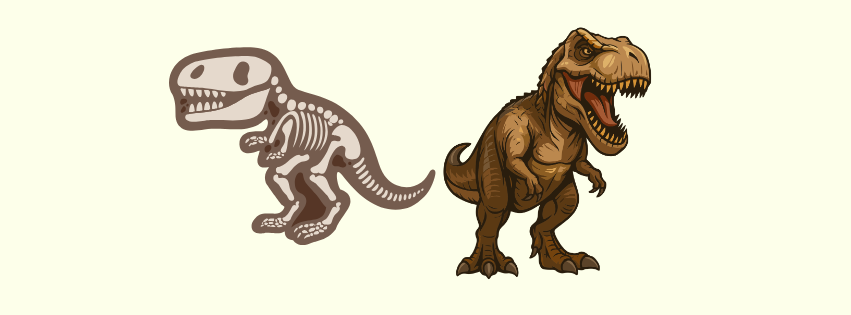
Meet the mighty tyrannosaurus rex!

You may recognise this formidable dino from it’s iconic feature in Jurassic Park!

Better known as a T-Rex, this giant predator stomped all over North America about 68 million years ago. Fossils show that it had huge, powerful legs, a massive skull (about 1.5m - 2m tall), and teeth the size and shape of bananas.

The T-Rex’s tiny arms are a mystery. Whilst they look small, evidence suggests that they were deceptively strong.

T-Rex fossils are some of the most exciting dinosaur discoveries ever made. Clues found in T-Rex bones help palaeontologiests to learn and theorise about how the T-Rex hunted, fought, and survived.

One of the most famous T-Rex fossils is nicknamed ‘SUE’, and it one of the largest and most complete ever discovered.

Fun Fact: T-Rex teeth were constantly replaced throughout it’s life- just like a shark!


Oviraptor


The egg thief that wasn’t!

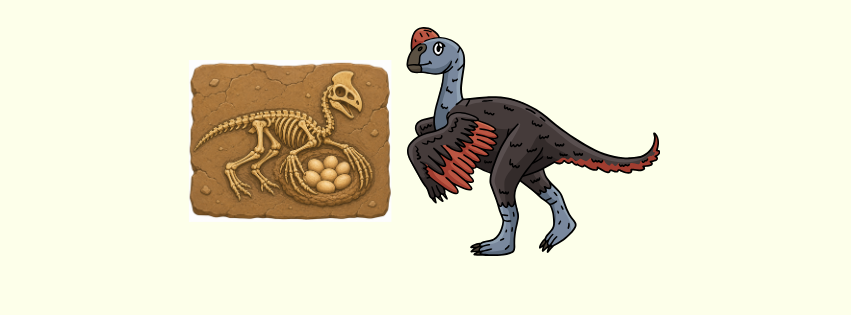
Oviraptor lived during the Late Cretaceous Period around 75 million years ago in what is now Mongolia. Its name means ‘Egg Thief’, but fossils later revealed that it had been unfairly named!

The first Oviraptor fossil was discovered near a nest of eggs, and scientists originally thought it had been stealing them. Years later, new fossils showed the Oviraptor was actually sitting on the nest protecting its own eggs- like a bird does today!

Oviraptor had a toothless beak, a lightweight body, and may have been covered in feathers. Fossils suggest it was fast, clever, and possibly omnivorous, meaning it could eat plants, eggs, shellfish, or small animals.

Some fossils are amazingly preserved, showing adults curled over their nests with arms spread protectively around the eggs.

Its fossils helped to change the way scientists think about dinosaurs, showing that some behaved more like birds than giant reptiles.

Fun Fact: Oviraptor’s beaks may have been strong enough to crack open hard shells.


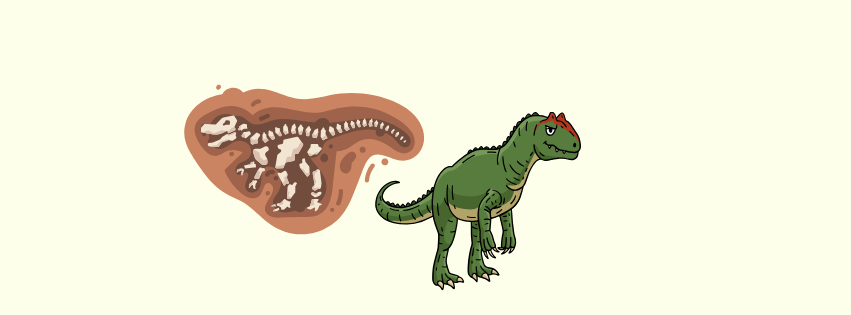
Allosaurus


The jurassic hunter…

Allosaurus were one of the top predators of the Late Jurassic Period, living around 155 to 145 million years ago. Long before the T-Rex appeared, Allosaurus ruled the prehistoric landscape with sharp teeth, powerful legs, and huge clawed hands.

Fossils show that Allosaurus could grow up to 12 metres long and had a large skull packed with curved, serrated teeth designed for tearing meat. Unlike the T-Rex, it had long arms with three sharp claws that may help helped it to grab struggling prey.

Many Allosaurus have been discovered together in one place, leading some scientists to wonder whether they hunted in groups, although nobody knows for sure. Fossilised bite marks found on dinosaur bones suggest it may have attacked giant plant eaters like the Diplodocus and Stegosaurus.

One famous fossil site called the Cleveland Lloyd Dinosaur Quarry contains the remains of dozens of Allosaurus individuals, making it one of the greatest Jurassic discoveries ever found.

Fun Fact: Some Allosaurus fossils show broken bones that healed during the dinosaurs life, proving these hunters could survive rough battles.


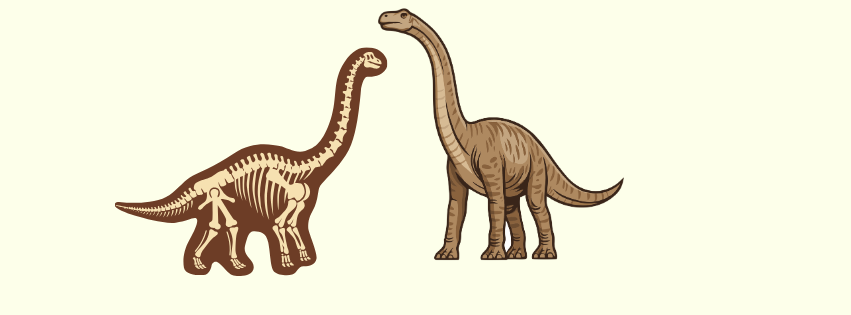
Brachiosaurus


A Gentle giant…

Brachiosaurus was one of the tallest dinosaurs ever discovered. With its long neck and towering front legs, it could reach treetops higher than a 4-storey building! That’s taller than Thornbridge Hall!

This enormous plant eater lived 154 million years ago during the Jurassic Period.

Brachiosaurus fossils reveal just how huge this dinosaur was. Scientists have uncovered giant vertebrae, enormous leg bones, and even fossilised footprints pressed into ancient mud. These tracks reveal that Brachiosaurus may have travelled in groups.

Despite its size, Brachiosaurus probably spent most pf its day calmly eating plants. It had to eat a lot of food every day to fuel its giant body.

Fun Fact: Brachiosaurus nostrils sat high on the top of its head. Scientists once thought it used them like a snorkel underwater, but today they believe that it just had a very unusual nose!


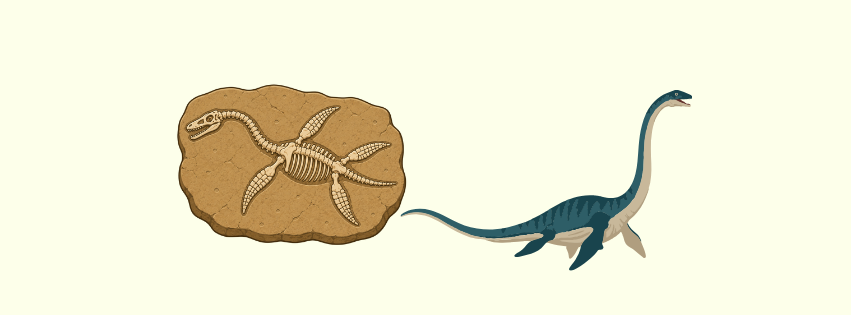
Plesiosaur


A long necked sea reptile…

The Plesiosaur was not actually a dinosaur, but it lived at the same time as many dinosaurs, and lived in the ancient seas in the Mesozoic era. It had a long neck, small head, and four powerful flippers. Scientists suggest that their long necks and heads could hinder their movement and hunting techniques.

Plesiosaur fossils have been found on every continent- even Antarctica! They are often preserved in rocks that were once ancient sea beds. Some fossils are so complete that scientists can see stomach contents, skin impressions, and even unborn babies inside of adult skeletons.

Its four flippers worked together like underwater wings, helping it to glide gracefully through the oceans.

For hundreds of years, strange Plesiosaur fossils confused people. Early fossil hunters struggled to work out which end was the head because its neck was so long!

Fun Fact: Some people think the stories of the Loch Ness Monster were inspired by the shape of a Plesiosaurus, although there are no Plesiosaurs swimming in Scottish lochs today!


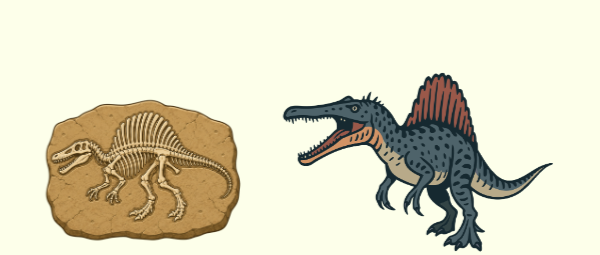
Spinosaurus


a river monster…

Spinosaurus were one of the strangest meat-eating dinosaurs ever discovered. It had a crocodile-like snout, paddle shaped feet, and a huge sail-like fin rising from its back. Fossils show that it may have spent much of its time swimming in rivers and hunting fish.

At over 15 metres long, Spinosaurus may even have been longer than a T-Rex. Scientists have discovered fossils of long jaws filled with cone-shaped teeth- perfect for gripping slippery prey. Its bones were dense, helping the dinosaur to stay underwater.

The giant sail like fin on its back is a mystery. It may have been used for social displays, temperature regulation, or helping the Spinosaurus recognise others of its kind.

Spinosaurus fascinated so many palaeontologists for so many years, as the original fossils discovered in 1915 Egypt by German palaeontologists Ernest Stromer and Richard Markgraf were destroyed in WW2 bombing raids in Munich. Modern discoveries in North Africa have helped scientists rebuild what this incredible dinosaur looked like.

Fun Fact: Spinosaurus is one of the few known dinosaurs adapted to life in the water. It may have swum more like a giant prehistoric crocodile than a typical dinosaur!


Pteradactyl


the master of the skies…

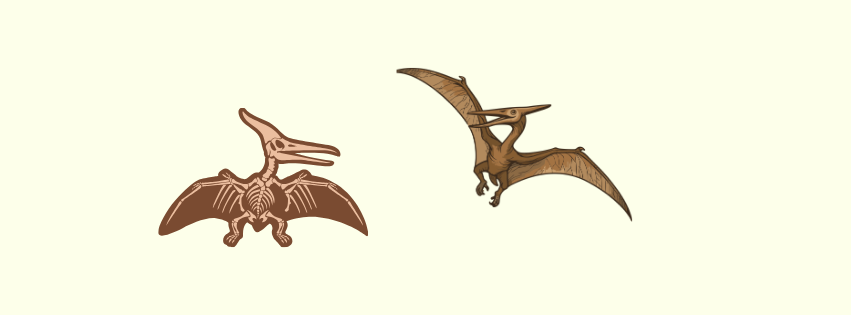
Pterodactyl soared above the heads of dinosaurs more than 150 million years ago.

Pterodactyl fossils are very delicate because their bones are so thin and lightweight. Some fossils are so detailed that scientists can see impressions of wing membranes that stretched between its long fingers and body.

Unlike birds of today, Pterodactyl did didn’t have feathers. Instead, it used leathery wings to glide through the air whilst searching for fish and small animals. Fossils show that it had a long beak filled with sharp teeth for catching slippery prey.

Fun fact: Pterodactyls were not actually dinosaurs. They were close cousins called pterosaurs. Some species had wingspans as wide as aeroplanes!


Triceratops


Three horned giant…

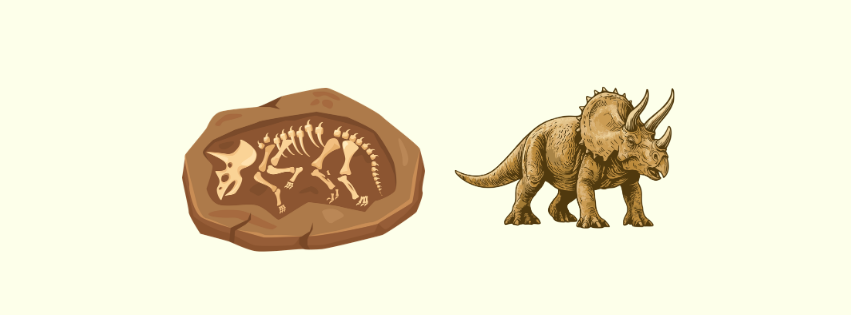
Triceratops was one of the most recognisable dinosaurs of all time. With three sharp horns and a huge bony frill around its neck, it looked like a prehistoric rhinoceros the size of a bus!

Triceratops live around 68 million years ago at the end of the dinosaur age. Fossils show that it had a powerful beak for chomping touch plants and strong jaws packed with rows of teeth that acted like giant gardening shears.

Its fossil skulls are some of the biggest ever discovered- some measure over two metres long!

Scientists have found horn injuries and healed wounds in fossils, suggesting Triceratops may have fought rivals by locking horns.

For years, palaeontologists debated whether the frill was for defence, display, or attracting mates. It may even have helped individuals to recognise each other in a heard.

Triceratops fossils are often found in the same rocks as T-Rex fossils, meaning these two famous giants once shared the same ancient world.

Fun Fact: Some Triceratops teeth were stacked in columns of over 30 teeth deep, constantly replacing worn-out ones throughout its life.


Stegosaurus


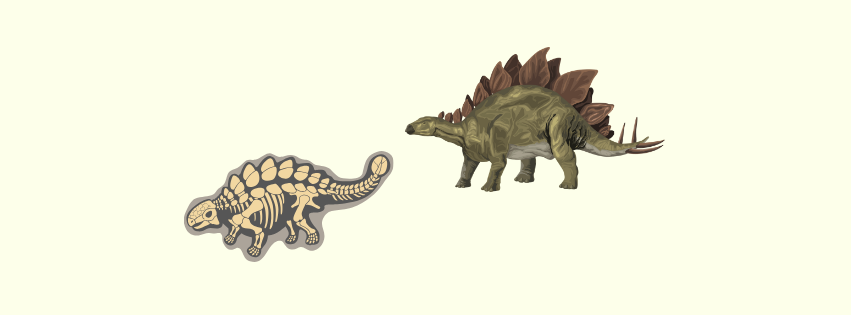
Stegosaurus had giant plates running along its back and a spiky tail that could swing like a dangerous weapon. This unusual plant-eater lived about 150 million years ago during the Jurassic Period.

Stegosaurus fossils helped scientists discover one of the strangest dinosaur body shapes ever seen. Its front legs were shorter than its back legs, giving it a sloping back and low head, perfect for munching ferns and plants close to the ground.

The large plates on its back may have helped with display, temperature control, or making the dinosaur appear bigger to predators. Fossils show the plates were filled with blood vessels, which may have allowed them to change colour- like most like a giant reptilian mood ring!

Its tail spikes were serious business, they could grow over a metre long! Scientists even have a nickname for them: ‘thagomizer’.

Fun Fact: Despite its huge size, Stegosaurus had a brain about the size of a lime. Luckily, it didn’t need to solve any maths problems!


Diplodocus


A long tailed giant…

Diplodocus was one of the longest dinosaurs ever discovered. It lived during the Late Jurassic Period, around 154 to 152 million years ago, and could stretch over 25 metres long from nose to tail!

Diplodocus had a tiny head, a very long neck, and an enormous whip like tail. Fossils show that it was a plant eater that spent most of its day munching leaves and soft vegetation. Even though it was huge, its pencil shaped teeth were surprisingly small and delicate.

Scientists have uncovered huge fossil skeletons of Diplodocus across North America. Some fossilised footprints suggest these giant dinosaurs may have travelled in herds across muddy floodplains millions of years ago.

Its tail is one of its most fascinating features. Some palaeontologists believe it could crack its tail like a whip, possibly making a loud snapping sound to scare predators.

Fun Fact: Despite its huge body, Diplodocus had a head about the size of a horse!